Table of Contents
During this phase, you start to change to life without your loved one. While pain is still existing, it no much longer dominates every element of life.
Instead, it is a fluid experience, marked by waves of feeling that come and go. You refine loss, understand that your trip is unique, and there is no wrong means to regret.
In, we analyze this framework together with an extra adaptable, customized strategy, permitting you to discover what genuinely straightens with your experience. The "phases" of grief are among the people turn to when attempting to recognize loss yet they're usually. Our Stages of Pain overview breaks down where the model, what each, and without suggesting grief relocate clean steps.
Essential Factors in a EMDR Practitioner Who Understands Professionals
You just went through a break up. You lost your task. You're not able to obtain the goal you have actually been pursuing. Believe it or not, all of these are some type of sorrow or the experience of dealing with loss. As we work our means via experiences like these, we're likely to experience various phases or feelings from denial and rage to despair and bitterness.
Before we dive right into the five stages of grief, it's handy to understand what pain is. Just put, despair is the experience of coping with loss.
The Influence of Ancestral Wounds on Success Patterns
Despair can also come from any type of changes we experience in life, such as relocating to a brand-new city or institution or transitioning right into a new age team. The fact is that all of us experience a specific degree of despair throughout our lives. While some losses are more intense than others, they are no less genuine.
Lots of scientists have committed years to studying loss and the emotions that accompany it. Among these professionals was Elisabeth Kubler-Ross, a Swiss-American psychoanalyst. She interviewed over 200 individuals with incurable diseases and determined five typical phases people experience as they grapple with the facts of their approaching death: denial, anger, negotiating, anxiety, and acceptance.
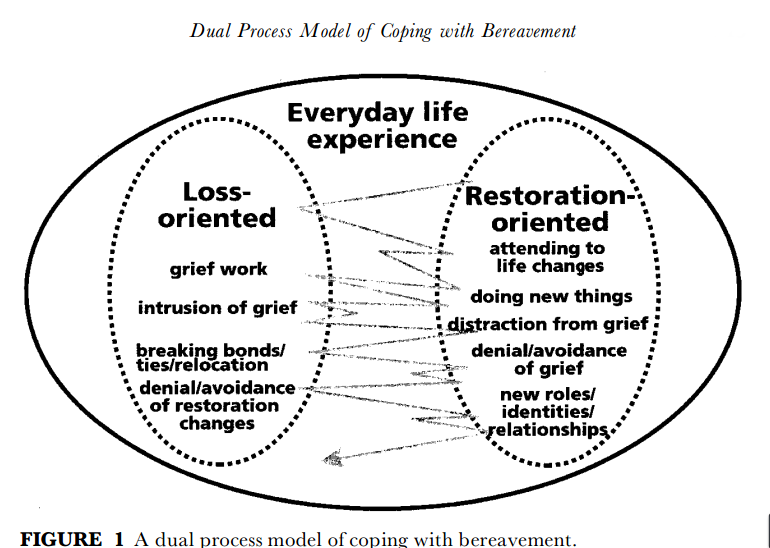
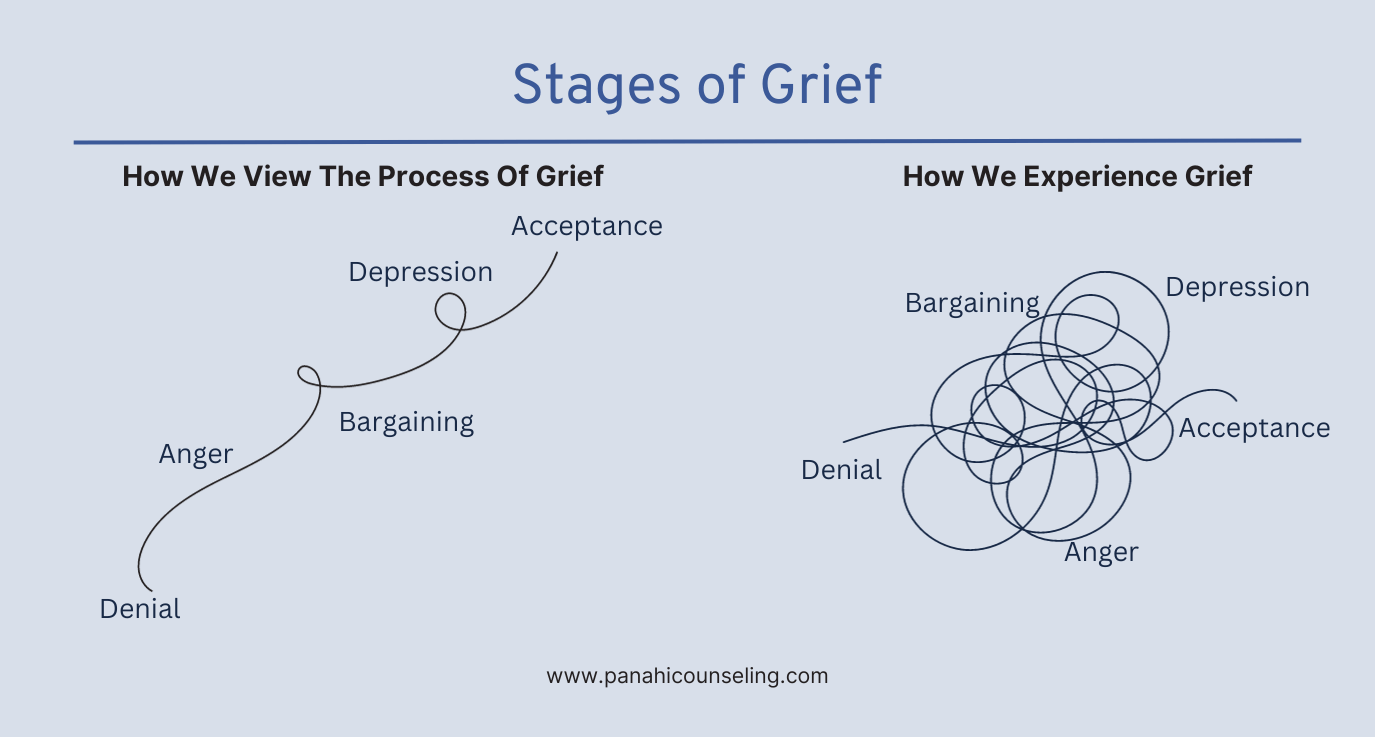
Although Kubler-Ross's work focused on despair reactions from individuals that are dying, much of these stages can be applied to sorrow throughout any kind of kind of loss. It is essential to keep in mind that these phases are not straight, and they're not a prescription. Not everybody experiences every stage, which's fine. We may seem like we approve the loss at times and then transfer to another phase of pain once again.
Likewise, just how much time we invest browsing these stages varies from one person to another. It might take us hours, months, or longer to process and recover from a loss. Keeping that in mind, let's take a closer look at each of the five stages of pain: For lots of individuals, denial or pretending the loss or adjustment isn't occurring is frequently the first feedback to loss.
Integration: Achievement Following EMDR
At some point, when we're grieving, we can start the healing procedure by enabling the feelings and emotions we've refuted to resurface. Lots of people will likewise experience anger as part of their sorrow. According to Kubler-Ross, discomfort from a loss is commonly rerouted and expressed as temper. Simply put, anger is a means to conceal the many emotions and pain that we're lugging as a result of the loss or adjustment.
Even though our logical brain comprehends they're not responsible, our emotions are intense and can easily override reasonable thinking. We likewise might lash out at non-living things, unfamiliar people, friends, or member of the family. We might feel mad at life itself. While we commonly think that anger is an unfavorable feeling and something to be prevented in all costs, it really offers a function and is an essential part of recovery.
Negotiating is a phase of despair that aids us hold onto hope during intense emotional discomfort. It's an effort to assist us restore control of a situation that has actually made us really feel exceptionally susceptible and powerless. It's also one more way to help us postpone needing to deal directly with the unhappiness, confusion, or hurt.
Clinical depression is commonly likened to the "peaceful" phase of grief, as it's not as energetic as the rage and negotiating stages. This can bring about extreme sensations of unhappiness, despair, and pessimism. Symptoms of anxiety can manifest themselves in various ways. We could really feel clouded, heavy, exhausted, confused or distracted.
Grief and Career Transitions in Sacramento
Just like the various other phases of sorrow, anxiety is experienced in different means. Rather, it's an all-natural and appropriate reaction to grief.
Instead, As an example, if we're grieving the fatality of a liked one, we could be able to share our gratitude for all the terrific times we invested with them. Or if we're undergoing a break up, we may state something like, "This really was the very best thing for me." In this phase, we might become a lot more comfy connecting to family and good friends, and we may also make brand-new connections as time takes place.

This doesn't mean we'll never have one more poor time. But because our emotions are more stable in this stage, we understand that we're mosting likely to be okay in the excellent days and the bad. Although these five phases of pain can aid us understand the grieving procedure, Sometimes people struggle due to the fact that they feel that their mourning procedure isn't "the standard," however despair is an extremely complex experience that varies from one person to another.

Navigation
Latest Posts
Proven Diagnostic Tools for Mental Health
How EMDR Treatment Offers for Healthcare Workers in Sacramento
Signs of OCD affecting Young Kids