Table of Contents
- – Comprehending the Eating Disorder-OCD Link
- – Eating Disorders in Athletes and Dancers: A Di...
- – OCD Therapy: Beyond Contamination Worries
- – EMDR Intensives for Trauma-Based Consuming Dis...
- – Souneh Arevalo
- – Anxiousness Treatment as Foundation for Recupe...
- – Finding Specialized Therapy for Enduring Recovery

The crossway of eating disorders and obsessive-compulsive condition represents one of one of the most challenging discussions in mental health and wellness treatment. These problems typically share underlying patterns of stiff thinking, anxiety-driven actions, and tries to regulate unpredictability via ritualistic activities. For athletes, dancers, and individuals with nit-picker propensities, these problems can come to be especially lodged, woven into identity and performance in means that make acknowledgment and treatment a lot more complex.
Comprehending the Eating Disorder-OCD Link
Eating disorders and OCD share significant neurobiological and mental overlap. Both problems involve intrusive thoughts, compulsive habits, and increased anxiety when rituals are interrupted. Research shows that around 40% of people with eating problems additionally satisfy criteria for OCD, recommending these conditions might stand for different expressions of comparable underlying vulnerabilities.
The relationship between these conditions often shows up as a vicious circle. Compulsive ideas about food, body form, or weight drive uncontrollable consuming actions, exercise rituals, or restrictive patterns. These actions momentarily lower anxiety, strengthening the cycle and making it considerably harder to damage. With time, what started as attempts to handle stress and anxiety or achieve specific goals develops right into a stiff system that controls every day life.
Eating disorder treatment that deals with these obsessive-compulsive functions requires specialized understanding. Common approaches to disordered eating may miss out on the anxiety-driven systems preserving habits, while conventional OCD therapy might neglect the body picture and identity elements central to eating problems. Integrated treatment comes close to recognize this complexity and address both the obsessive-compulsive patterns and the certain functions of disordered eating.
Specialists specializing in this junction, such as those at Live Mindfully Psychiatric therapy, comprehend that efficient treatment has to attend to multiple layers at the same time. This consists of functioning with the cognitive rigidness feature of both conditions, the underlying stress and anxiety driving behaviors, and the identity parts that make modification feel threatening.
Eating Disorders in Athletes and Dancers: A Distinct Difficulty
Professional athletes and professional dancers encounter specific vulnerability to consuming conditions, with frequency rates significantly greater than in the basic population. The focus on body structure, weight needs, and visual ideals in these areas creates a setting where disordered eating can create under the role of commitment or professionalism and trust. What starts as "" tidy eating"" or "" ideal fueling"" can gradually evolve into restrictive consuming disorders that endanger both health and wellness and performance.
The sports and dance neighborhoods commonly normalize actions that would be acknowledged as disordered in various other contexts. Prolonged training sessions, rigid dish timing, compulsive body monitoring, and exercise compulsion might be checked out as indications of dedication instead of cautioning indications. This normalization makes it harder for professional athletes and professional dancers to recognize when their connection with food and exercise has gone across right into pathological region.
Perfectionism, very valued in athletic and creative searches, works as both a threat variable and preserving device for eating problems. The very same top qualities that drive quality-- technique, attention to information, high standards-- can fuel compulsive patterns around food and body. Athletes and dancers frequently are afraid that resolving their eating condition will jeopardize their efficiency, not recognizing that the problem itself is limiting their possibility through physiological depletion and psychological obsession.
Specialized eating disorder treatment for athletes and professional dancers need to browse these distinct dynamics. Treatment techniques that honor the individual's commitment to their sport or art while attending to the dangerous patterns verify most effective. Therapists functioning with these populaces recognize sport-specific pressures and can aid customers develop healthier partnerships with food and body without needing them to desert their sports or artistic quests.
OCD Therapy: Beyond Contamination Worries
While several associate OCD with contamination worries and hand cleaning, the problem materializes in diverse means. Invasive ideas regarding harm, sexual web content, religious issues, or balance can be just as distressing. For people with eating disorders, OCD usually involves fascinations about food, contamination problems concerning eating, or obsessions around workout and body monitoring.

Efficient OCD therapy typically entails exposure and feedback prevention (ERP), a treatment approach that helps individuals face been afraid scenarios while standing up to compulsive responses. For consuming disorder discussions with OCD attributes, this may include exposures to feared foods, minimizing body monitoring behaviors, or tolerating unpredictability around consuming choices. The procedure is progressive and personalized, appreciating everyone's preparedness while challenging evasion patterns that maintain anxiety.
Trauma TherapyCognitive-behavioral therapy for OCD helps people acknowledge the thought patterns that sustain compulsions. Finding out to identify obsessive thoughts without engaging with them with rituals proves central to recuperation. This metacognitive understanding-- the capability to observe ideas without instantly thinking or acting upon them-- represents an important skill that profits both OCD and eating disorder recovery.
Several people with OCD and consuming conditions likewise fight with perfectionism, viewing anything less than complete control as failing. This all-or-nothing reasoning includes treatment itself, with individuals often believing they should be "" perfect"" at recuperation. Therapy needs to resolve these perfectionistic standards, assisting clients create self-compassion and resistance for the messy, nonlinear nature of recovery.
EMDR Intensives for Trauma-Based Consuming Disorders
Significantly, clinicians recognize that lots of eating conditions have origins in stressful experiences. Whether developing trauma, details stressful occasions, or the build-up of adverse experiences, unsettled injury typically underlies the demand for control that eating conditions provide. EMDR intensives offer a concentrated technique to refining these traumatic structures, addressing the deeper drivers of disordered eating.
EMDR intensives compress therapy into prolonged sessions over days instead of weeks, enabling more detailed processing. For eating problem treatment, this intensive style can increase development by resolving multiple stressful memories or experiences in a concentrated timeframe. The strategy verifies especially useful for individuals who have actually completed traditional eating problem therapy but continue having problem with underlying stress and anxiety or trauma-related triggers.
Souneh Arevalo
Kelsey is not only an exceptionally qualified therapist, she is also warm and genuine. If you are struggling with recovery from eating disorder don’t hesitate to reach out to her!
The connection in between injury and eating disorders shows up in various means. For some, disordered consuming stands for an attempt to reclaim control after experiences of powerlessness. For others, body frustration attaches to messages received throughout developmental years or certain distressing experiences. EMDR helps reprocess these memories and linked beliefs, reducing their psychological charge and permitting for even more adaptive self-perception.
Combining EMDR intensives with continuous eating problem treatment and dietary support develops a comprehensive treatment method. While EMDR addresses underlying trauma, simultaneous support helps individuals develop new coping mechanisms and keep recovery-oriented behaviors. This incorporated method recognizes that consuming disorders serve features in people's lives, and enduring change needs both refining what drove the disorder and structure alternate means of managing distress.
Anxiousness Treatment as Foundation for Recuperation
Anxiety underlies both consuming disorders and OCD, making anxiety administration abilities necessary for recuperation. Learning to endure uncertainty, take care of physical stress and anxiety feelings, and reply to challenging emotions without considering disorder actions stands for core operate in treatment. Anxiousness treatment provides these fundamental abilities while aiding individuals recognize their special anxiousness patterns.
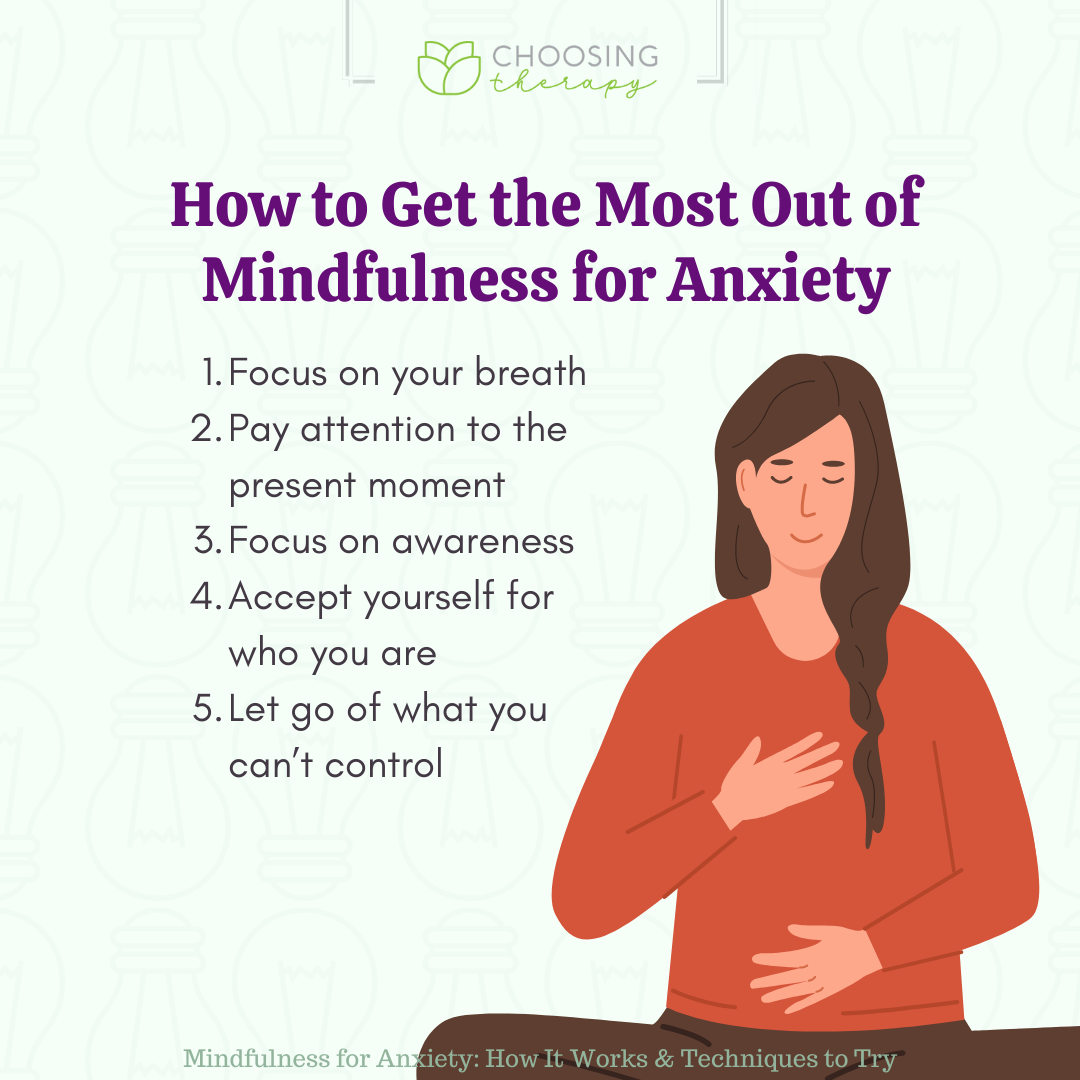
Mindfulness-based approaches show particularly beneficial for consuming problem and OCD therapy. These techniques aid individuals observe ideas and sensations without instantly responding, producing area in between triggers and responses. For a person with an eating problem, mindfulness might involve noticing stress and anxiety around food options without instantly restricting. For OCD discussions, it could indicate observing invasive ideas without taking part in uncontrollable responses.
Somatic methods to stress and anxiety therapy address the body-based components commonly ignored in cognitive therapies. Several individuals with consuming disorders and OCD experience increased interoceptive awareness-- sensitivity to inner physical sensations-- which can drive anxiousness and uncontrollable actions. Learning to control the nerve system with breath job, modern relaxation, or other somatic techniques provides concrete devices for managing anxiousness in real-time.
Finding Specialized Therapy for Enduring Recovery
Healing from consuming disorders and OCD requires specialized therapy that addresses the one-of-a-kind features of these conditions. Generic approaches may give momentary relief however commonly miss the preserving devices that drive regression. Therapists with certain training in consuming conditions, OCD, and trauma recognize these nuances and can offer targeted treatments that resolve source instead of simply symptoms.
When seeking therapy, consider specialists who incorporate numerous evidence-based methods rather than counting on a solitary method. Consuming disorders and OCD rarely react to one-size-fits-all therapy, and adaptability in approach permits therapists to adjust interventions to specific demands. Furthermore, partnership with other service providers-- such as dietitians, physicians, and psychiatrists-- commonly confirms vital for comprehensive care resolving all aspects of healing.
[:specialty]For athletes, professional dancers, and nit-pickers dealing with consuming disorders or OCD, discovering a specialist who comprehends these particular contexts makes substantial difference. Treatment that honors your worths and goals while addressing damaging patterns develops the foundation for lasting healing that improves as opposed to limitations your life and searches.

Table of Contents
- – Comprehending the Eating Disorder-OCD Link
- – Eating Disorders in Athletes and Dancers: A Di...
- – OCD Therapy: Beyond Contamination Worries
- – EMDR Intensives for Trauma-Based Consuming Dis...
- – Souneh Arevalo
- – Anxiousness Treatment as Foundation for Recupe...
- – Finding Specialized Therapy for Enduring Recovery
Latest Posts
Understanding Psychodynamic Therapy: A Deep Study Comprehensive Psychological Assessment and Treatment
Multilingual Psychotherapy: Breaking Down Language Barriers in Mental Healthcare
Why Mind-Body Integration is Necessary in Eating Disorder Treatment Post Traumatic Experiences
Navigation
Latest Posts
Understanding Psychodynamic Therapy: A Deep Study Comprehensive Psychological Assessment and Treatment
Multilingual Psychotherapy: Breaking Down Language Barriers in Mental Healthcare
Why Mind-Body Integration is Necessary in Eating Disorder Treatment Post Traumatic Experiences